


Research
Interdisciplinary Biomarker Lab
If you don’t get hit by a bus, then most likely inflammation will have a hand in your death. -
Sharon M Pearcey
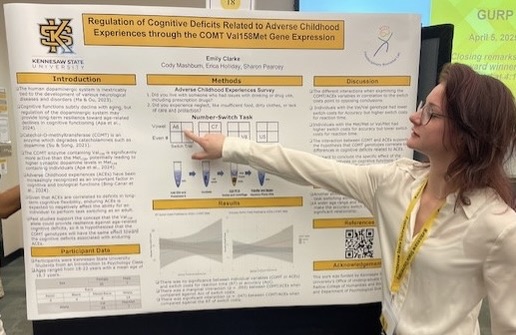 Some stress is good; however, increased levels of stress can have devastating effects
on the health and wellbeing of a person. In our lab, Dr. Doreen Wagner (Wellstar College
of Nursing) and I study the physiological and behavioral correlates of stress. We
collaborate with many other talented faculty members across the University studying
hormones including cortisol, estrogen, progesterone, inflammatory markers such as
CRP, and pro-inflammatory cytokines like Interleukin-6-Beta.
Some stress is good; however, increased levels of stress can have devastating effects
on the health and wellbeing of a person. In our lab, Dr. Doreen Wagner (Wellstar College
of Nursing) and I study the physiological and behavioral correlates of stress. We
collaborate with many other talented faculty members across the University studying
hormones including cortisol, estrogen, progesterone, inflammatory markers such as
CRP, and pro-inflammatory cytokines like Interleukin-6-Beta.
In addition to looking at many biomarkers associated with stress, we don’t discriminate against any type of stressor, either. We have investigated the effects of surgical stress on post-operative delirium and the effects of startle on stress levels, compared the effects of a social stressor on recovering alcoholics with heavy drinkers and non-drinkers, and examined the effects of stress reduction activities such as yoga, meditation, humor, and Reiki therapy.
By looking at real-world applications of stress and explaining the consequences of stress gone wild, we hope to bring awareness to the population that we need to take care of ourselves (and watch out for buses).
Biomarkers Related to Post-Operative Stress, Hypothermia, and Delirium
I collaborate with Dr. Doreen Wagner (Nursing) on a study investigating the relationship among post-operative stress, unplanned perioperative hypothermia, and delirium in critically ill surgical patients (American Association of Critical-Care Nurses [AACN] Grant, Wagner PI). Specifically, we are measuring serum levels of biomarkers associated with oxidative stress (protein carbonyl and HNE protein adduct) and inflammatory stress (C-reactive protein, Interleukin 6, and S100β).
Inflammatory Biomarkers, Executive Functioning, and EEG
I collaborate with Dr. Cody Mashburn (Psychological Science) hoping to better understand
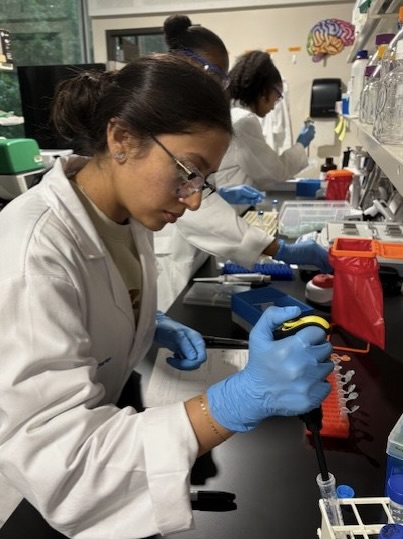 therelationship among executive function performance, electrical activity in the brain,
and biomarkers. Specifically, we will be looking at inflammatory biomarkers (i.e.,
IL-6, CRP) genetic variability (i.e., BDNF VAL66MET and CRP) to explore their dynamic
effects executive functioning and brain activity and how stress and other mental health
issues may further mediate this relationship.
therelationship among executive function performance, electrical activity in the brain,
and biomarkers. Specifically, we will be looking at inflammatory biomarkers (i.e.,
IL-6, CRP) genetic variability (i.e., BDNF VAL66MET and CRP) to explore their dynamic
effects executive functioning and brain activity and how stress and other mental health
issues may further mediate this relationship.
Current Undergraduate Research Assistants:
- Emily Clarke
- Saloni Patel
- Mahi Polineni


