


SEPAL
Safeguarding, Education, Propagation, and Applied Research Laboratory
sepal (/ˈsēp(ə)l,ˈsep(ə)l/) - A part of the flower; typically function as protection for the flower in bud, and often as support for the petals when in bloom.
History
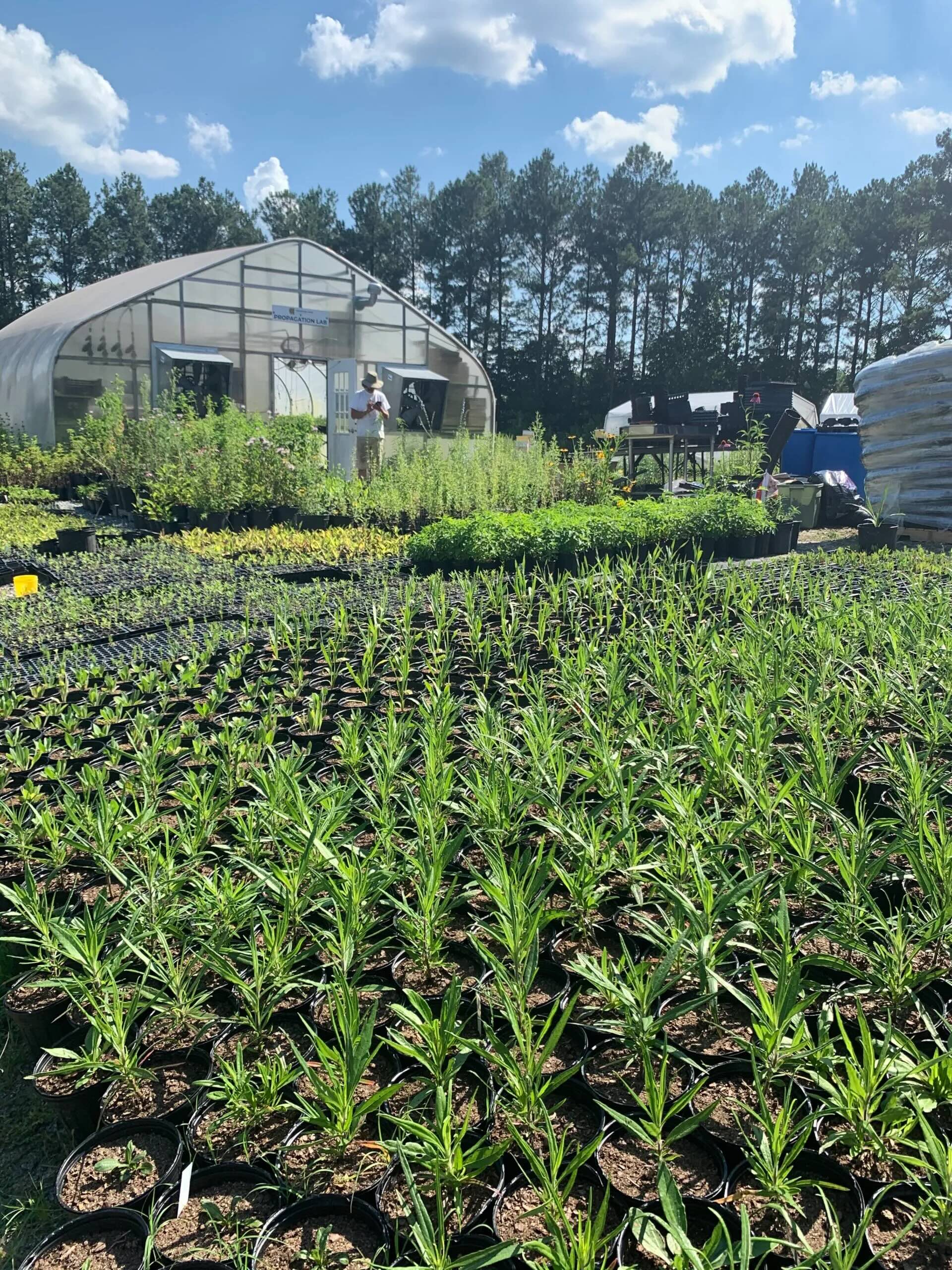 Aligning with key local and national workforce priorities and funding opportunities,
Native and Rare Plant Conservation stands as one of the three core pillars in the
latest strategic plan for the KSU Field Station. As a dedicated member of the Georgia
Plant Conservation Alliance (GPCA), KSU has been safeguarding a variety of rare native
plants at the Field Station since 2022.
Aligning with key local and national workforce priorities and funding opportunities,
Native and Rare Plant Conservation stands as one of the three core pillars in the
latest strategic plan for the KSU Field Station. As a dedicated member of the Georgia
Plant Conservation Alliance (GPCA), KSU has been safeguarding a variety of rare native
plants at the Field Station since 2022.
In an effort to further the Field Station’s commitment to environmental restoration and healing, the SEPAL project began to take shape in the fall of 2023. This initiative is a collaborative effort between KSU alumnus Eric Duncan, KSU Field Station Manager Michael Blackwell, and the PlantEcoFizz lab, aimed at amplifying the station’s impact on native plant conservation.
Mission and Vision
Safeguarding
Safeguarding involves the careful maintenance of small plant populations in dedicated, protected areas. These safeguarded plants serve as vital insurance against the loss of wild populations and provide a crucial source of seeds and propagules for future restoration efforts. To ensure their survival, these plants are housed in greenhouses or raised beds surrounded by protective fencing to guard against herbivory.
At SEPAL, we are currently safeguarding four native plant species that are of conservation concern in the state of Georgia. Our efforts play a key role in preserving Georgia’s biodiversity and contribute to long-term conservation strategies that support ecosystem resilience.
Education
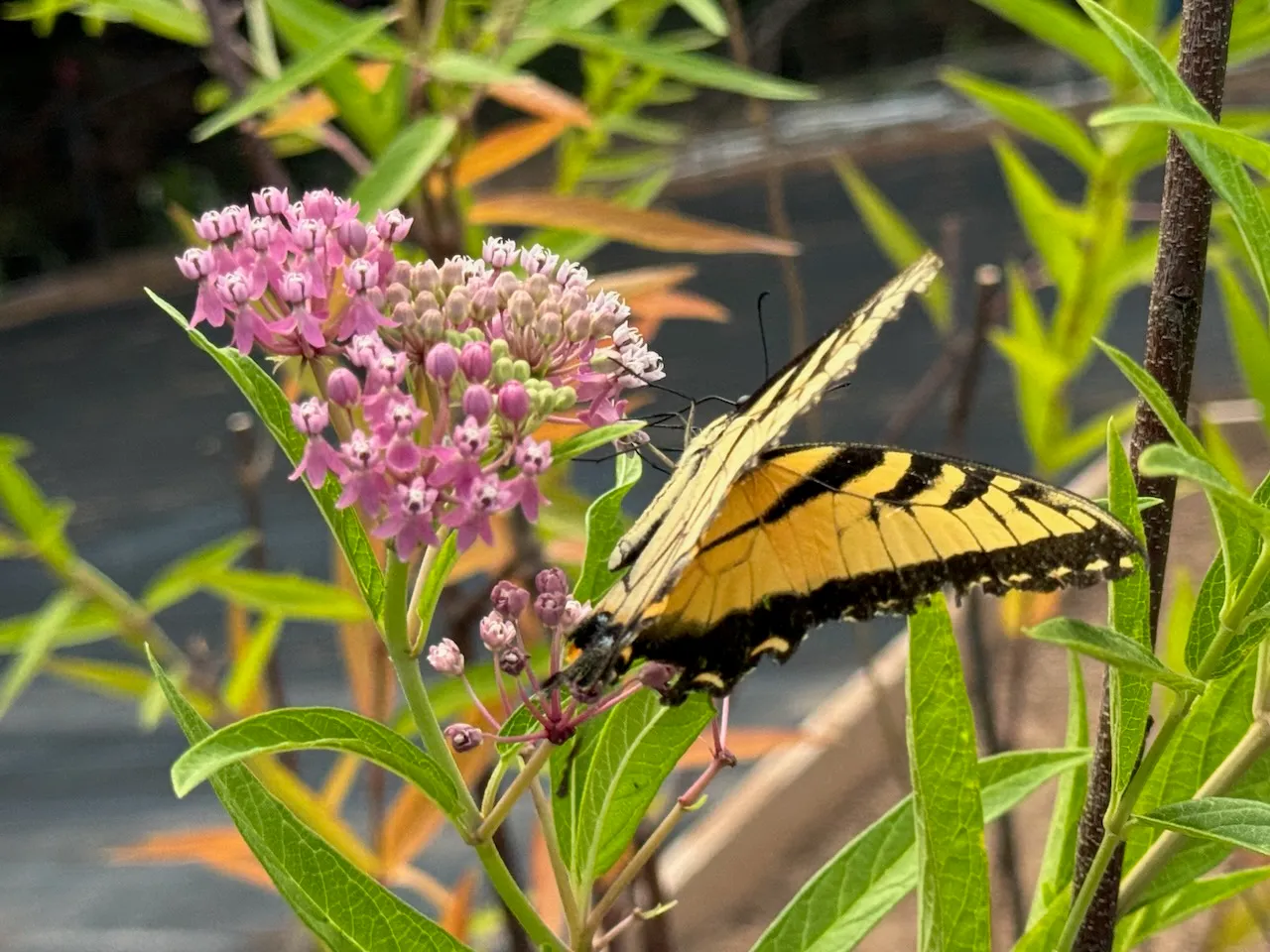 At the SEPAL, we encourage student participation from across all disciplines, not
just biology majors. We actively welcome students from the arts, humanities, and social
sciences to join our efforts. The integration of native plants into the green spaces
on KSU’s Kennesaw and Marietta campuses offers a wealth of opportunities for interdisciplinary
projects. These include ecological studies (e.g., pollinator visitation), psychological
research (e.g., perceptual and affective science), and creative arts initiatives (e.g.,
signage, landscape design). Our vision is to transform the campus into a living learning
laboratory, fostering hands-on educational experiences.
At the SEPAL, we encourage student participation from across all disciplines, not
just biology majors. We actively welcome students from the arts, humanities, and social
sciences to join our efforts. The integration of native plants into the green spaces
on KSU’s Kennesaw and Marietta campuses offers a wealth of opportunities for interdisciplinary
projects. These include ecological studies (e.g., pollinator visitation), psychological
research (e.g., perceptual and affective science), and creative arts initiatives (e.g.,
signage, landscape design). Our vision is to transform the campus into a living learning
laboratory, fostering hands-on educational experiences.
Beyond student engagement, SEPAL serves as a resource for state agencies, city planners, and private landowners. We aim to break down the barriers to adopting native plants in landscaping through comprehensive services. These include curated species lists that offer native alternatives to common non-native plants, as well as specialized training and certification programs (e.g., pollinator gardens). Our mission is to promote sustainable landscaping practices that benefit both the environment and the community.
Propagation
The SEPAL serves as a vital hub for the propagation of native plants, addressing the critical shortage of accessible native species that hinders the efforts of stakeholders, state agencies, and private parties. As the demand for sustainable landscaping and ecological management grows, SEPAL provides a reliable source of non-listed, native species.
At the SEPAL, we specialize in propagating and selling native plants to conservation partners, plant retailers, and Kennesaw State University. Our offerings support the increasing trend toward using native species in management and landscaping projects. Every purchase from SEPAL directly funds our facility’s operations and cutting-edge research in native plant conservation.
Applied Research
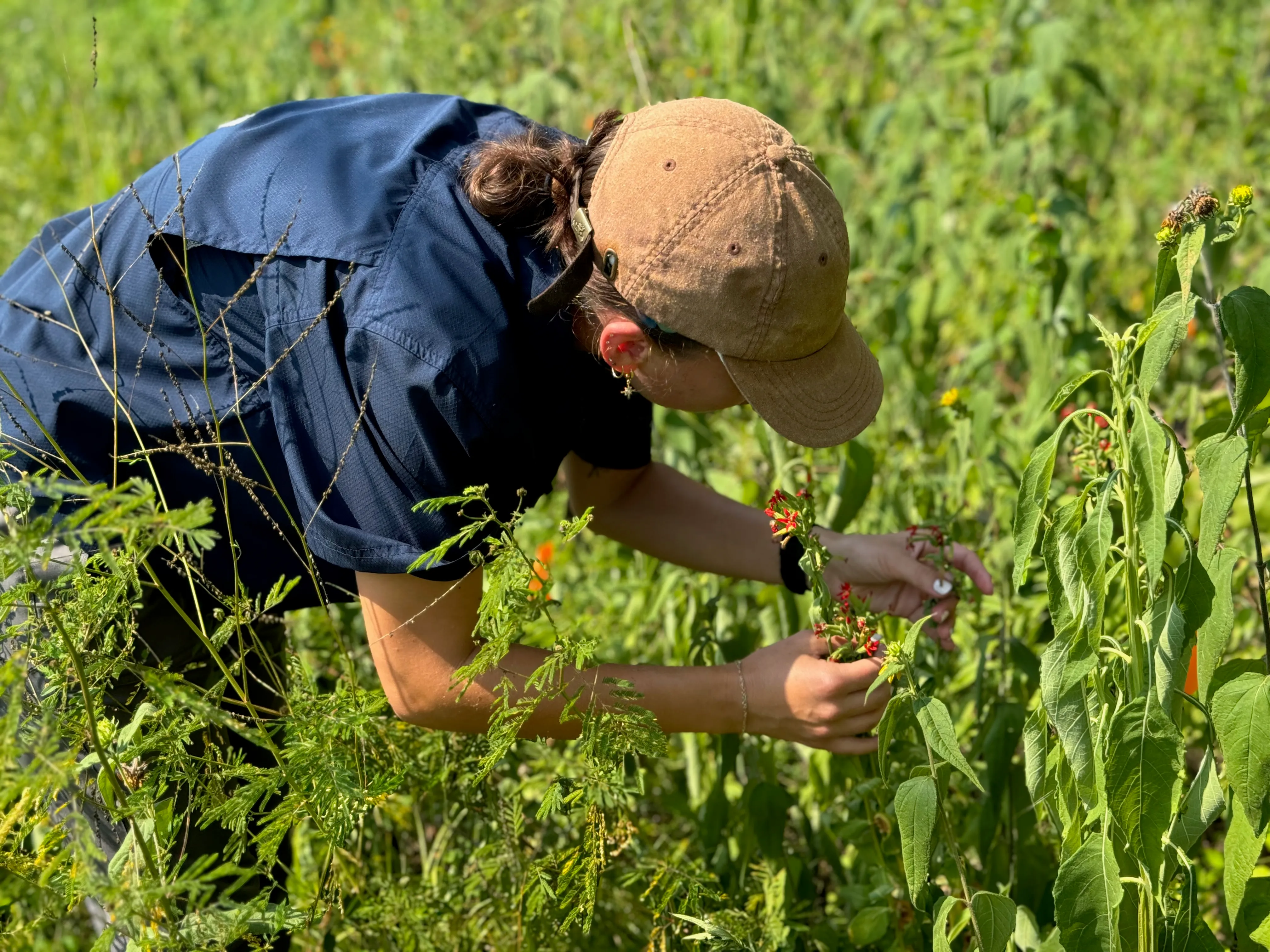 The SEPAL serves as a dynamic living outdoor laboratory. Students and faculty can
conduct cutting-edge research on native plants and their interactions with the environment
and society. We have identified two primary research areas that drive our efforts:
The SEPAL serves as a dynamic living outdoor laboratory. Students and faculty can
conduct cutting-edge research on native plants and their interactions with the environment
and society. We have identified two primary research areas that drive our efforts:
- Optimization of Conservation and Management: We focus on enhancing conservation and management strategies for rare and native plant species, including their responses to climate change and best practices for out-planting.
- Assessment of Ecological and Societal Impacts: Our research also examines the ecological and societal impacts of restoring and landscaping with rare and native species, such as through pollinator surveys and studies on citizen perception.
Our research is directly aimed at informing conservation practices. We maintain constant communication with our conservation partners who share with us their observations. This includes issues such as population declines, pathogen outbreaks, unexpected dieback, and other challenges. By aligning our research with real-world conservation needs, SEPAL plays a crucial role in advancing the preservation of native plant species and their ecosystems.


