


People
Principal Investigator (PI)
Mario Bretfeld, Ph.D.
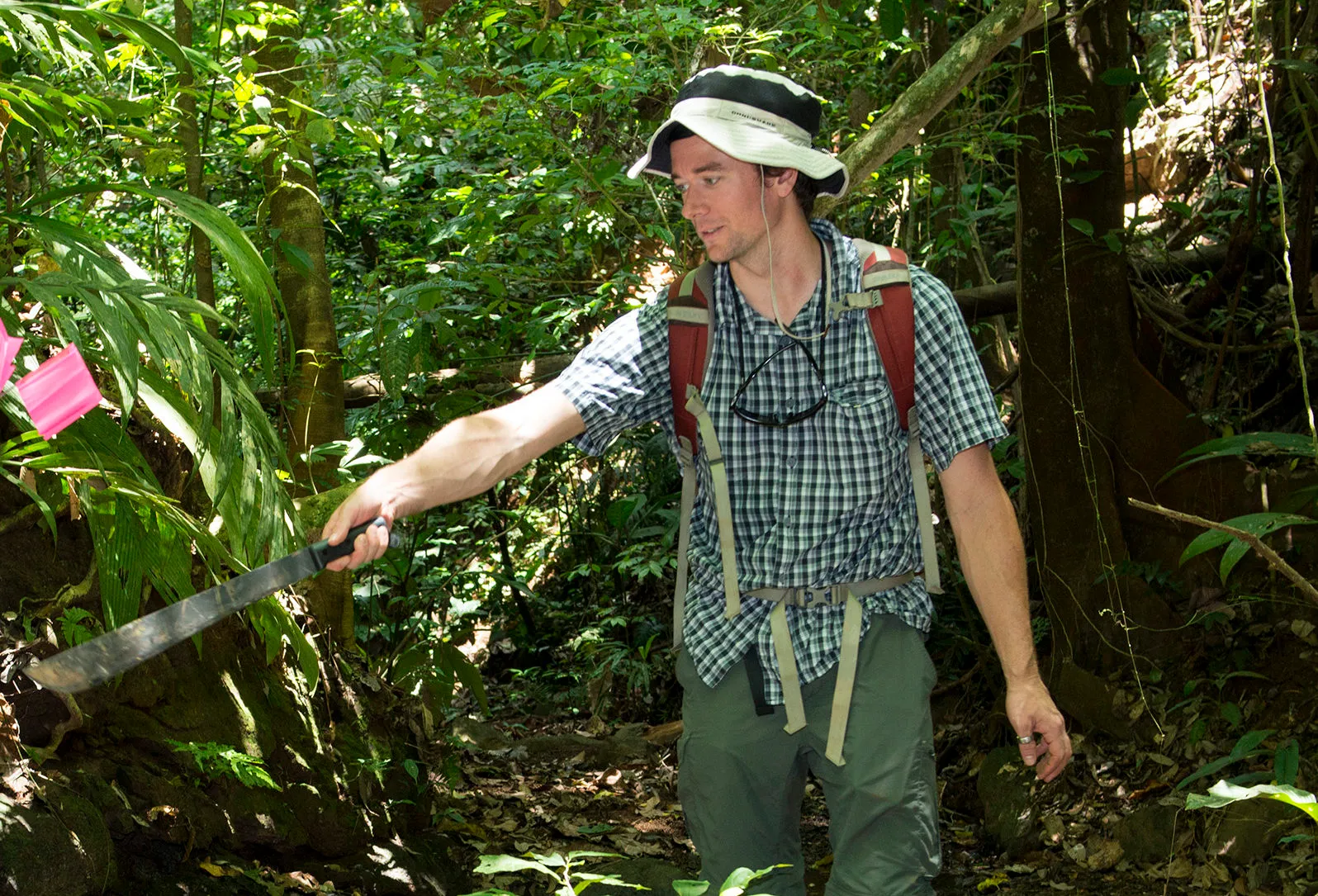
I joined the Department of Ecology, Evolution, and Organismal Biology at Kennesaw State University in 2019. My path to KSU spanned three continents: I earned a Diploma in Landscape Ecology from the Carl-von-Ossietzky University of Oldenburg, Germany, followed by a Ph.D. in Biological Education from the University of Northern Colorado in 2014. My doctoral research focused on quaking aspen ecology, including regeneration following disturbance, responses to mountain pine beetle outbreaks, and resource sharing within clonal root systems. After spending several years in the Rocky Mountains, I moved to Panama were I conducted postdoctoral research with the Smithsonian Tropical Research Institute and the University of Wyoming, studying plant water use and ecosystem recovery in tropical forests and agricultural systems for over three years.
Current Students (MSIB)
(starting with the most recent member)
-
Makenna Maroney
-
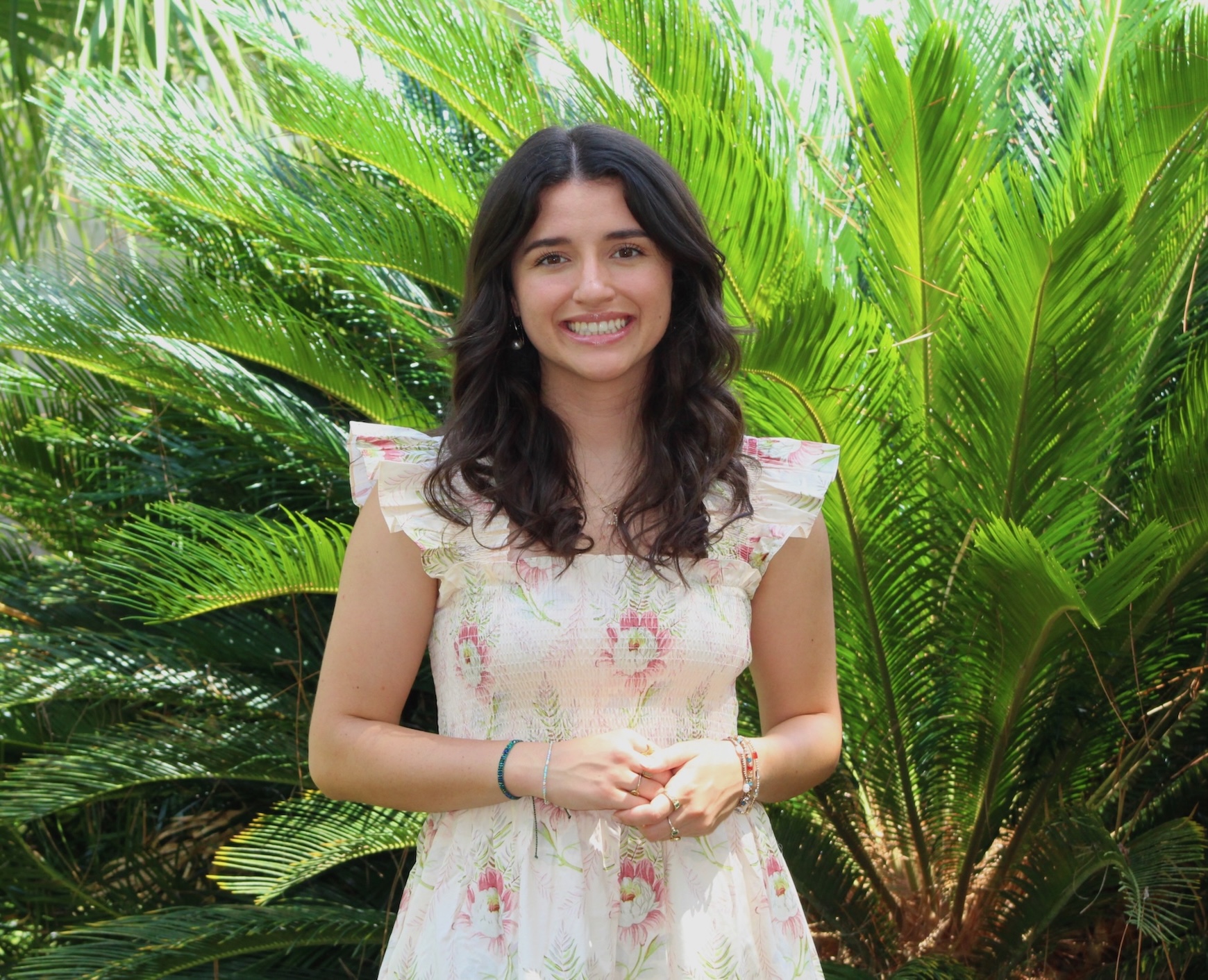 Makenna joined the lab in the fall of 2026. She received her BS in Biology at the
University of North Georgia and is continuing our research on plant biostimulants,
specifically their impact on plant physiology
Makenna joined the lab in the fall of 2026. She received her BS in Biology at the
University of North Georgia and is continuing our research on plant biostimulants,
specifically their impact on plant physiology
-
Gavin McClellan
-
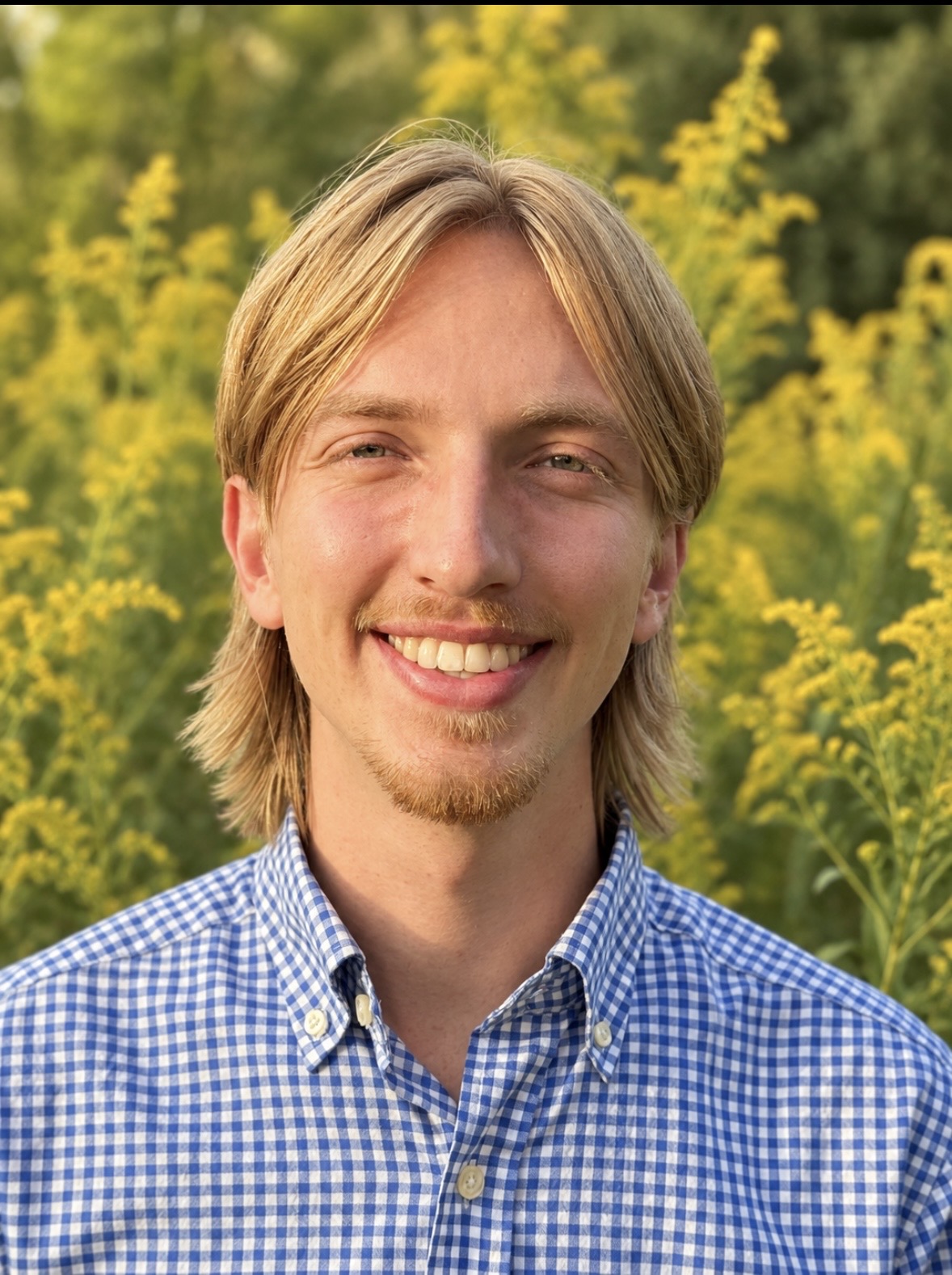 Gavin joined the lab in 2025, after helping Katherine with her sampling of chestnut
leaves at Berry College. He received his BS in Biology at Berry College and is currently
working on optimizing propagation of Clematis morefieldii, funded by Georgia's Department of Natural Resources.
Gavin joined the lab in 2025, after helping Katherine with her sampling of chestnut
leaves at Berry College. He received his BS in Biology at Berry College and is currently
working on optimizing propagation of Clematis morefieldii, funded by Georgia's Department of Natural Resources.
-
Blake Hill
-
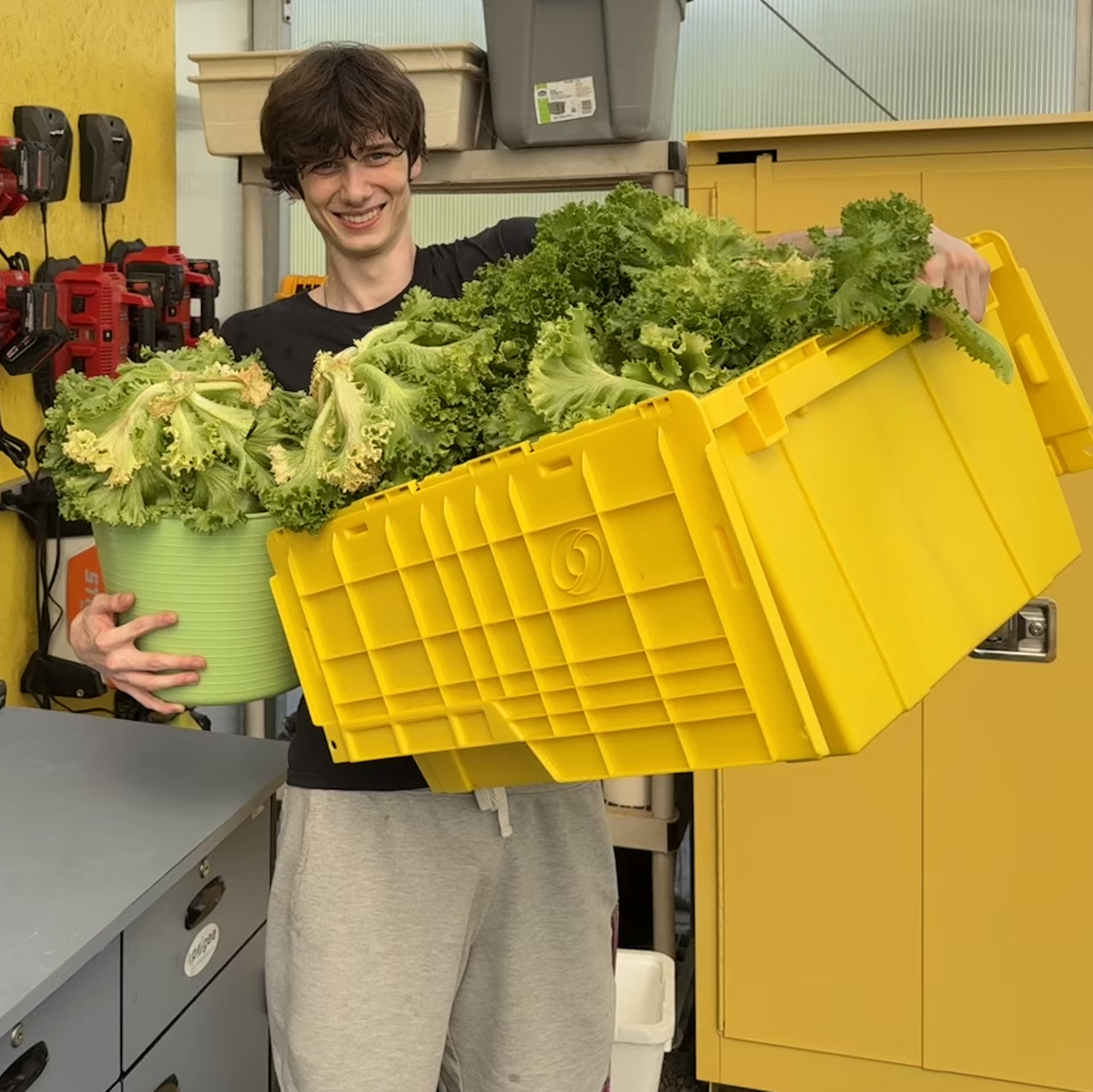 Blake joined the lab in 2025 after receiving his BS in Biology at Kennesaw State University.
He brings extensive microbiology expertise to the lab, including experience with human
cell culture. As an undergraduate, his research had the goal to track the intracellular
movement of metal transcription factor 1. Blake is continuing our ongoing research
on encapsulating plant growth promoting microbes in alginate beads to develop an easy-to-use,
sustainable plant biostimulant.
Blake joined the lab in 2025 after receiving his BS in Biology at Kennesaw State University.
He brings extensive microbiology expertise to the lab, including experience with human
cell culture. As an undergraduate, his research had the goal to track the intracellular
movement of metal transcription factor 1. Blake is continuing our ongoing research
on encapsulating plant growth promoting microbes in alginate beads to develop an easy-to-use,
sustainable plant biostimulant.
-
Adamina Bilbrey
-
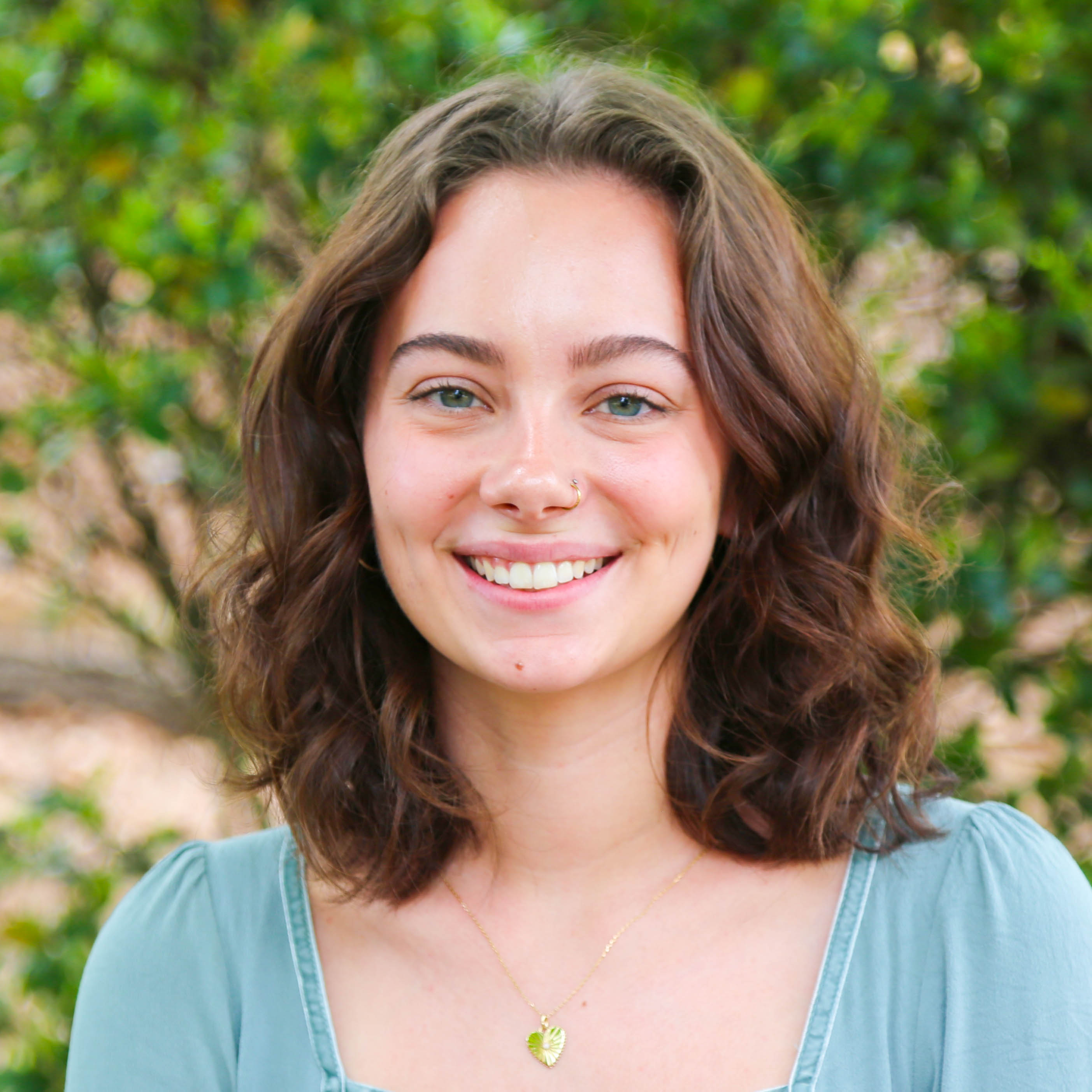 Adamina joined the lab in 2024, first working with Megan as undergraduate research
assistant, then receiving a Birla Carbon Scholarship to continue our research on Silene regia for another season, which was instrumental in getting that research published. Her thesis research is focused on optimizing restoration of a degraded wetland on
the westbank of the Savannah River, for which she received financial support from
Corblu Ecology Group.
Adamina joined the lab in 2024, first working with Megan as undergraduate research
assistant, then receiving a Birla Carbon Scholarship to continue our research on Silene regia for another season, which was instrumental in getting that research published. Her thesis research is focused on optimizing restoration of a degraded wetland on
the westbank of the Savannah River, for which she received financial support from
Corblu Ecology Group.
Lab Alumni (MSIB)
(starting with the most recent alumn)
-
Katherine Dobson
-
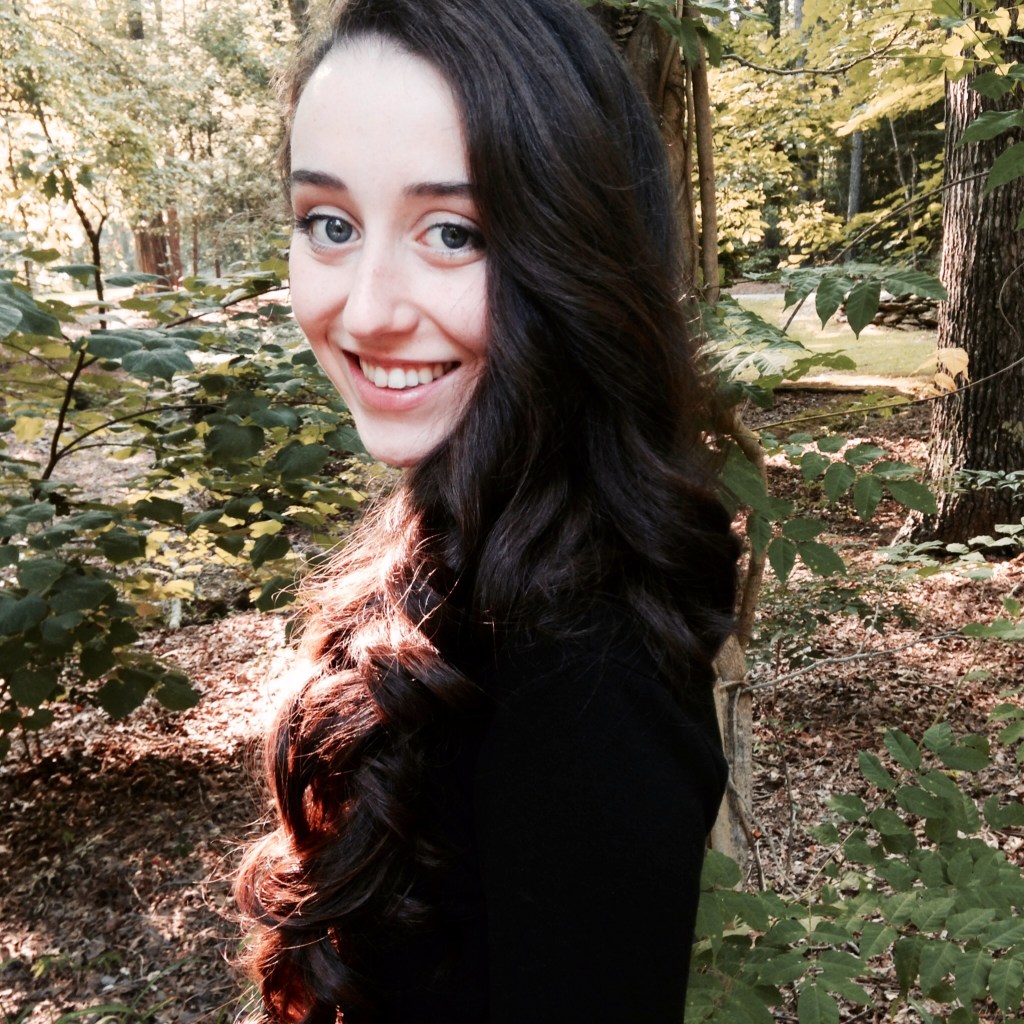 Katherine got her BS at Kennesaw working with Dr. Heather Sutton and Dr. Aliyah Davenport
(Reinhardt University) to complete a comprehensive vascular plant inventory of Sheffield
WMA. She then joined the PlantEcoFizz lab to investigate the leaf microbiome (= phyllosphere)
of American and Chinese chestnut trees and their hybrids. She graduated in 2025 and
has joined Kennesaw State as lecturer.
Katherine got her BS at Kennesaw working with Dr. Heather Sutton and Dr. Aliyah Davenport
(Reinhardt University) to complete a comprehensive vascular plant inventory of Sheffield
WMA. She then joined the PlantEcoFizz lab to investigate the leaf microbiome (= phyllosphere)
of American and Chinese chestnut trees and their hybrids. She graduated in 2025 and
has joined Kennesaw State as lecturer.
-
Zach Peagler
-
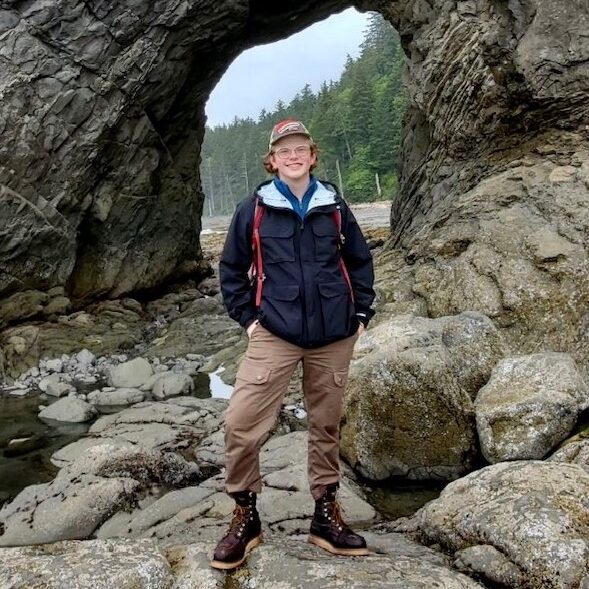 Zach started doing antimicrobial research on fire ants (Solenopsis invicta) with the Penick Lab before shifting his focus to plant ecology and joining the PlantEcoFizz
Lab, where he first assisted Collin in his research on tomatoes and the application
of a symbiotic bacteria to alter the quality-quantity tradeoff observed in the fruit.
He went on to develop a method to encapsulate plant growth promoting bacteria into
chitosan and alginate bead and helped secure funding from the Georgia Research Alliance
for his research. Zach graduated in 2025, after which he pursued a career in data
science.
Zach started doing antimicrobial research on fire ants (Solenopsis invicta) with the Penick Lab before shifting his focus to plant ecology and joining the PlantEcoFizz
Lab, where he first assisted Collin in his research on tomatoes and the application
of a symbiotic bacteria to alter the quality-quantity tradeoff observed in the fruit.
He went on to develop a method to encapsulate plant growth promoting bacteria into
chitosan and alginate bead and helped secure funding from the Georgia Research Alliance
for his research. Zach graduated in 2025, after which he pursued a career in data
science.
-
Megan Brooks
-
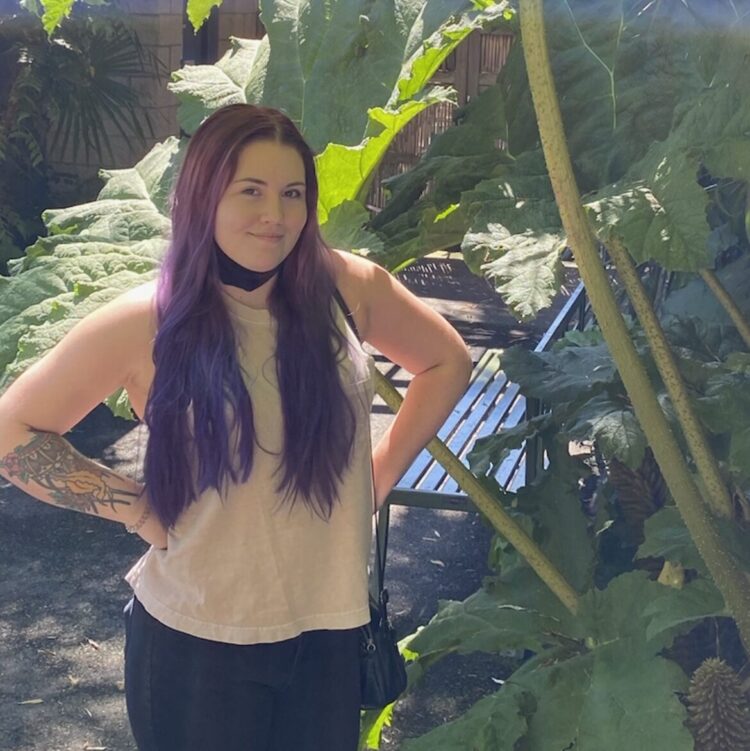 Megan studied the impacts of microclimate on an endangered plant (Silene regia) in
Georgia, until her graduation in 2024. Her research was continued by Adamina Bilbrey,
who joined first as undergraduate and later as MSIB graudate student, and was ultimately
published in the journal Ecology and Evolution in 2026.
Megan studied the impacts of microclimate on an endangered plant (Silene regia) in
Georgia, until her graduation in 2024. Her research was continued by Adamina Bilbrey,
who joined first as undergraduate and later as MSIB graudate student, and was ultimately
published in the journal Ecology and Evolution in 2026.
-
Collin Dice
-
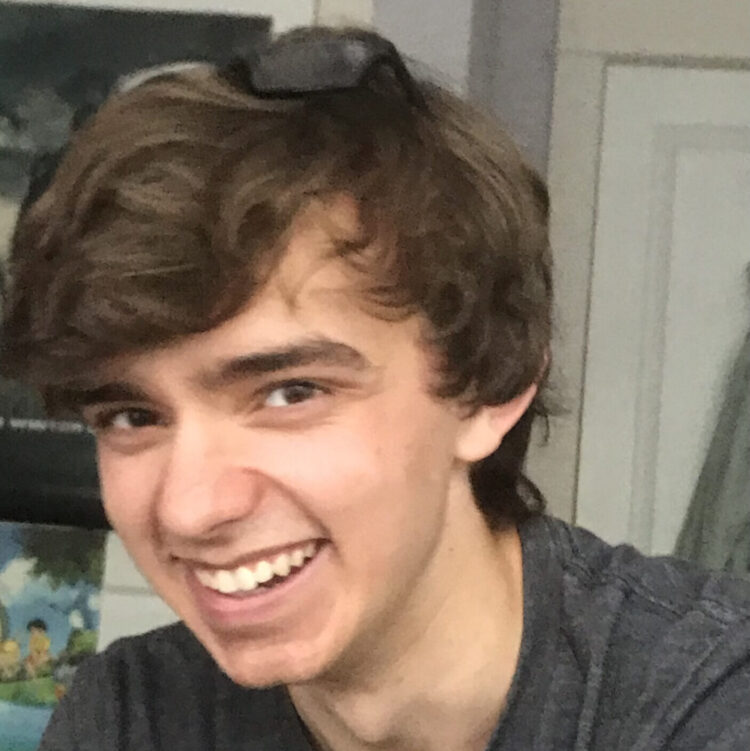 Collin studied plant-microbial interactions in tomato plants. He graduated in 2023
and moved on to a PhD program at the Univ. of Houston. He helped secure a USDA award
to fund our still-ongoing plant-microbial research in controlled environments (i.e.,
hydroponics).
Collin studied plant-microbial interactions in tomato plants. He graduated in 2023
and moved on to a PhD program at the Univ. of Houston. He helped secure a USDA award
to fund our still-ongoing plant-microbial research in controlled environments (i.e.,
hydroponics).
-
Andrea Gamache
-
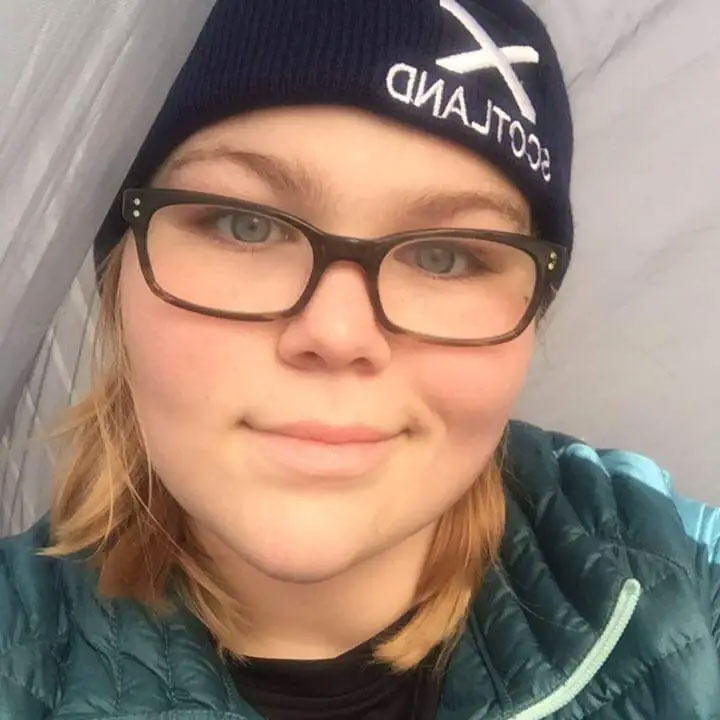 Andrea studied how fire and cicada bioturbation affect understory plants, showing
that the compound disturbance of prescribed burning and soil bioturbation due to cicada
emergence significantly impacted soil chemistry by increasing nutrient availability.
Andrea studied how fire and cicada bioturbation affect understory plants, showing
that the compound disturbance of prescribed burning and soil bioturbation due to cicada
emergence significantly impacted soil chemistry by increasing nutrient availability.She graduated in 2022 and accepted a job at a Virginia State Park, after which she moved on to pursue a Ph.D. at UMass Lowell.


