


Research
Plant-Microbe Interactions
 The interface between plants and the environment is not sterile but instead harbors
an astounding diversity of microorganisms, including bacteria, fungi, and algae. Seeds,
roots, flowers, and leaves all possess their own microbiome that affect plant metabolic
processes, nutrient acquisition, stress tolerance, productivity, and defense against
pathogens. Our research is aimed towards addressing two overarching questions:
The interface between plants and the environment is not sterile but instead harbors
an astounding diversity of microorganisms, including bacteria, fungi, and algae. Seeds,
roots, flowers, and leaves all possess their own microbiome that affect plant metabolic
processes, nutrient acquisition, stress tolerance, productivity, and defense against
pathogens. Our research is aimed towards addressing two overarching questions:
- How do microbes affect their host, and how do host plants affect their respective microbiota?
- How can we utilize microbes to optimize productivity in important agricultural crops?
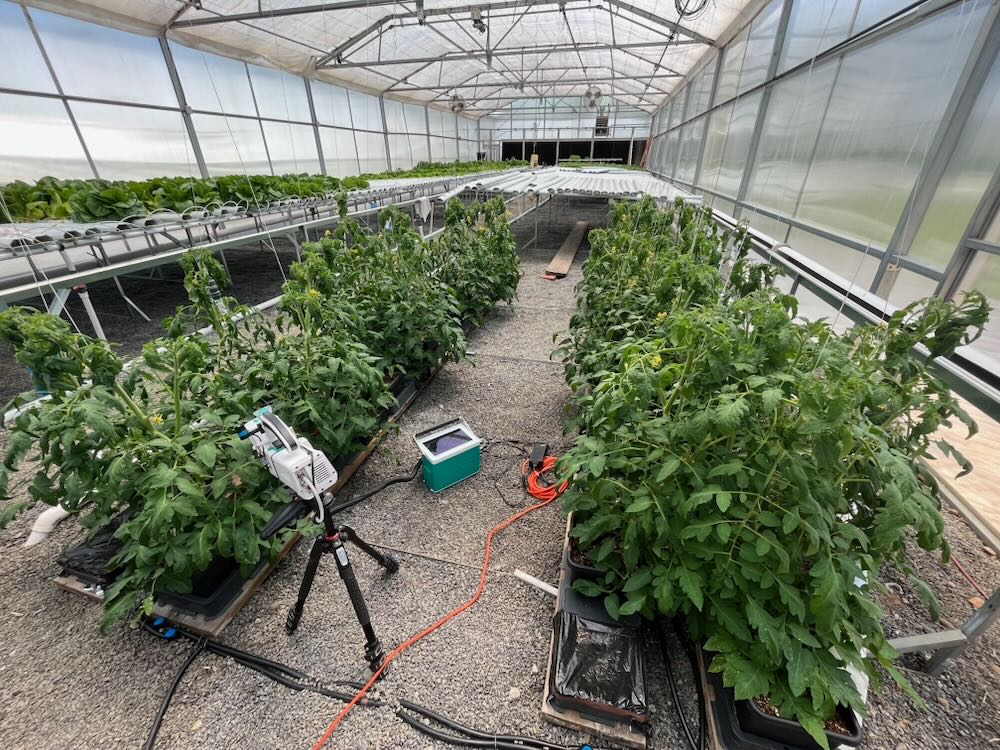
Within this framework, we test how microbial communities on leaf surfaces (i.e., phyllosphere) interact with host genetics and physiology, and develop new methods how to inoculate crop plants with a cocktail of beneficial microbial species (i.e., biostimulants). For our research on optimizing fruit quality and yield in hydroponically grown tomatoes, we have receiving funding by USDA, and we are collaborating with the American Chestnut Foundation for our study of the leaf microbiome of American chestnuts and its hybrids.
Plant Conservation
 A major pillar of the KSU PlantEcoFizz lab is engagement in and optimization of plant
conservation efforts. As a member of the Georgia Plant Conservation Alliance (GPCA),
we are species leads on several native plant species that are of conservation concern
and we directly inform conservation efforts based on our research. Moreover, we receive
information regarding research needs directly from other conservation partners!
A major pillar of the KSU PlantEcoFizz lab is engagement in and optimization of plant
conservation efforts. As a member of the Georgia Plant Conservation Alliance (GPCA),
we are species leads on several native plant species that are of conservation concern
and we directly inform conservation efforts based on our research. Moreover, we receive
information regarding research needs directly from other conservation partners!
In Georgia, over 650 species of plants are considered of “special concern,” 25 of those species are protected by the Endangered Species Act and 130 species are protected by state wildlife protection laws (US Fish & Wildlife Service)
Ongoing efforts in this field include keeping small populations of rare and endangered plants at our safeguarding facility to serve as insurance in case other populations disappear, propagating native plants for use in conservation efforts, educating the public about the advantages of using native plants over non-native plants, and researching native plants and how to combat their decline.


