


Teaching
Study Abroad
Arctic Ecology (Program Website)
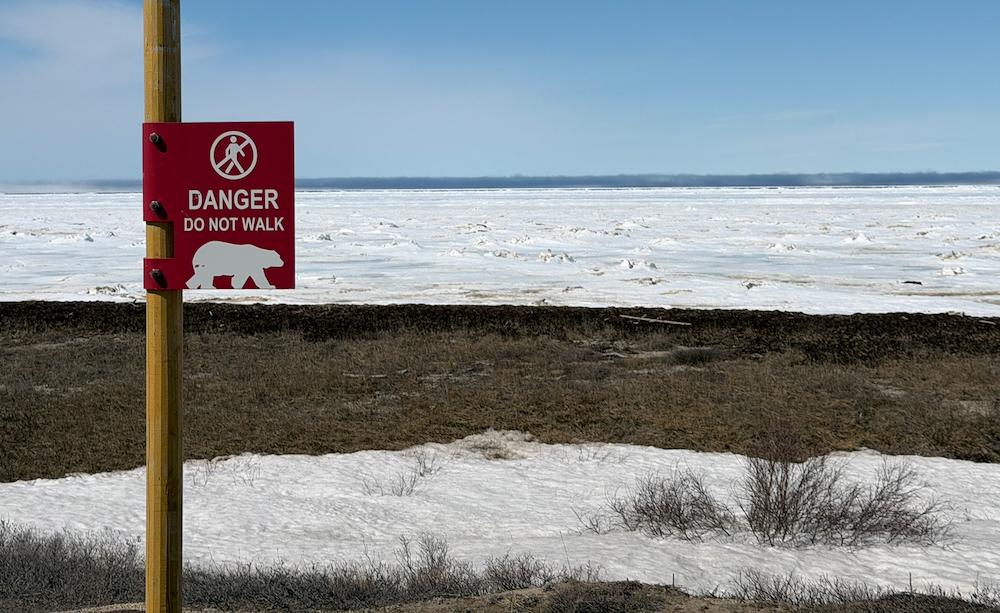 Arctic Ecology in Canada offers students an immersive field-based experience in the
subarctic ecosystems of Churchill, Manitoba, an ecologically significant yet underrepresented
region in undergraduate curricula. Students will travel to and reside at the Churchill
Northern Studies Centre, located at the transition between boreal forest and tundra
along the coast of Hudson Bay. This unique setting provides direct access to intact
terrestrial and marine ecosystems.
Arctic Ecology in Canada offers students an immersive field-based experience in the
subarctic ecosystems of Churchill, Manitoba, an ecologically significant yet underrepresented
region in undergraduate curricula. Students will travel to and reside at the Churchill
Northern Studies Centre, located at the transition between boreal forest and tundra
along the coast of Hudson Bay. This unique setting provides direct access to intact
terrestrial and marine ecosystems.
The course integrates plant ecophysiology and animal–parasite ecology to explore how organisms persist under extreme environmental constraints. Through a combination of pre-trip preparation, field immersion, and post-trip synthesis, students will identify key biotic and abiotic components of boreal and tundra systems, analyze the impacts of climate change, and design and conduct independent research projects.
Regular Courses
Plant Physiology (BIOL 4420/6420)
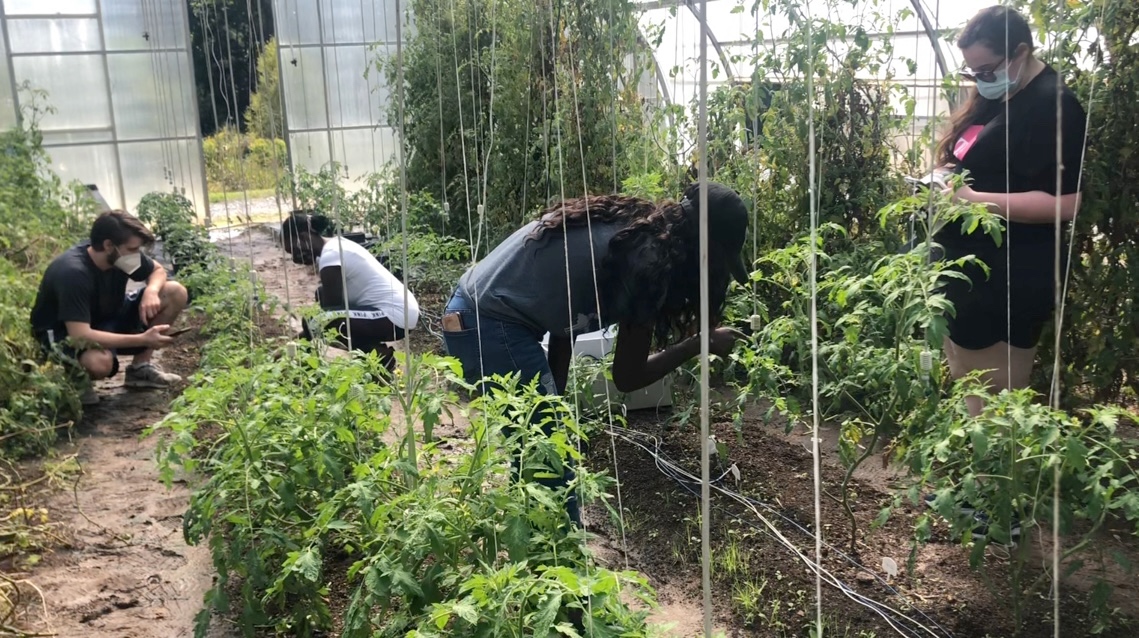
Plant physiology is the study of plant function. Students will learn how plants obtain, transport and utilize water, mineral nutrients, and organic molecules. Students will be introduced to mechanisms used in defense against pathogens and herbivores and learn how environment and hormones control plant growth and development. Students will examine each process at the biochemical, cellular and organismal level. Laboratory studies will introduce students to contemporary approaches used in the study of plant physiology.
Plant Ecology (BIOL 4422/6422)
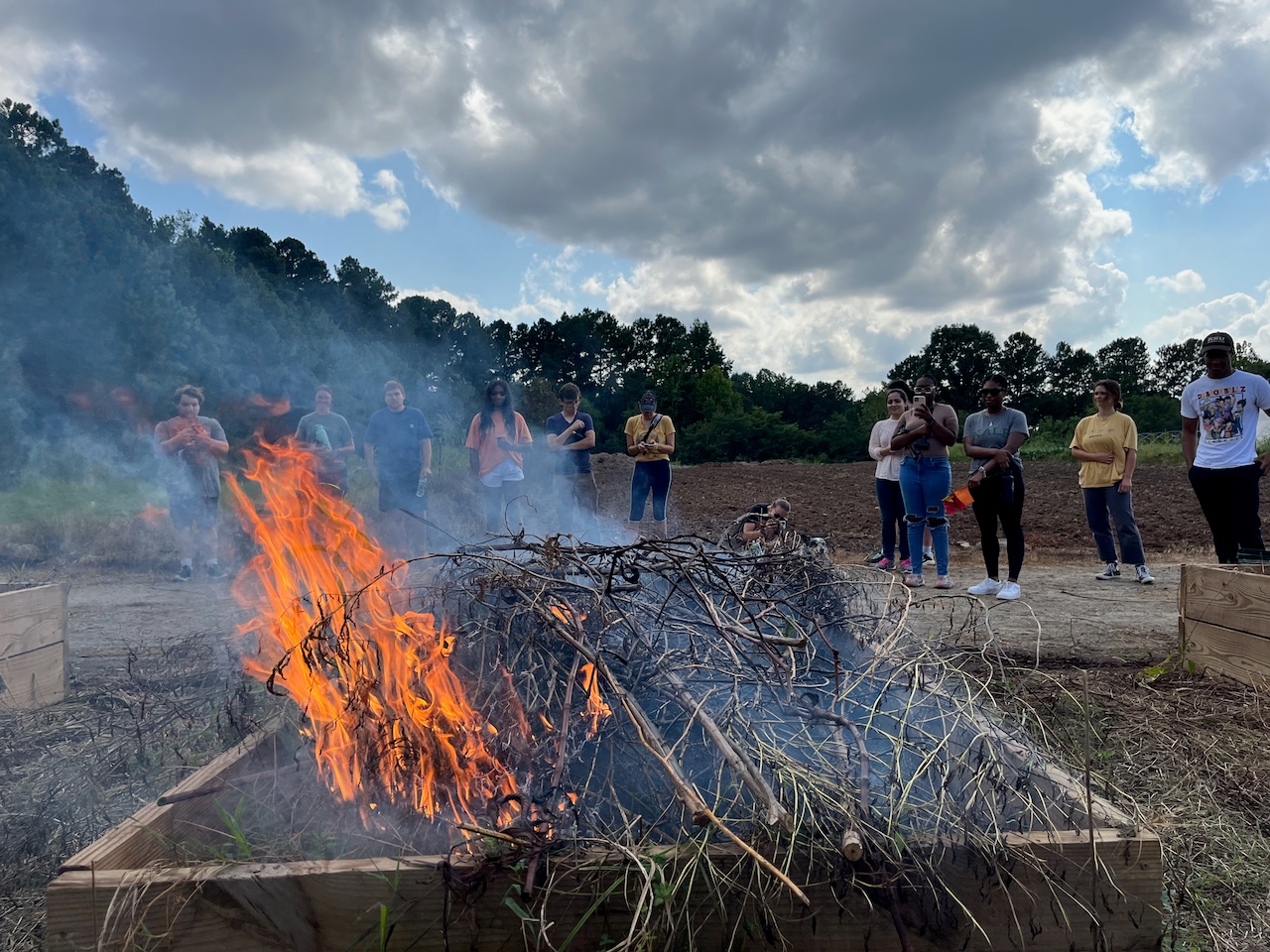 Students will learn aspects of physiological responses of plants to their environment,
methods to determine plant population growth and plant distribution patterns, as well
as interactions among plants and other organisms. They will use science as a process
and learn to argue scientific points of view persuasively. Students will also learn
to use classical and modern technologies to address questions in plant ecology.
Students will learn aspects of physiological responses of plants to their environment,
methods to determine plant population growth and plant distribution patterns, as well
as interactions among plants and other organisms. They will use science as a process
and learn to argue scientific points of view persuasively. Students will also learn
to use classical and modern technologies to address questions in plant ecology.
Ecology (BIOL 3370)
Students will learn about the relationships among living organisms and their environments at the individual, population, community and ecosystem level. Students will learn how and why traits evolve over time and how to evaluate scientific information.


